Seagull Control: A Complete Guide to Humane Seagull Deterrence for Commercial and Residential Properties
Introduction
Seagulls can quickly turn a manageable bird presence into a serious property-management problem. A few birds landing on a roof may seem harmless, but repeated roosting, nesting, and feeding can lead to accumulated guano, blocked drainage, contaminated outdoor areas, property maintenance issues, and damage to equipment or surfaces.
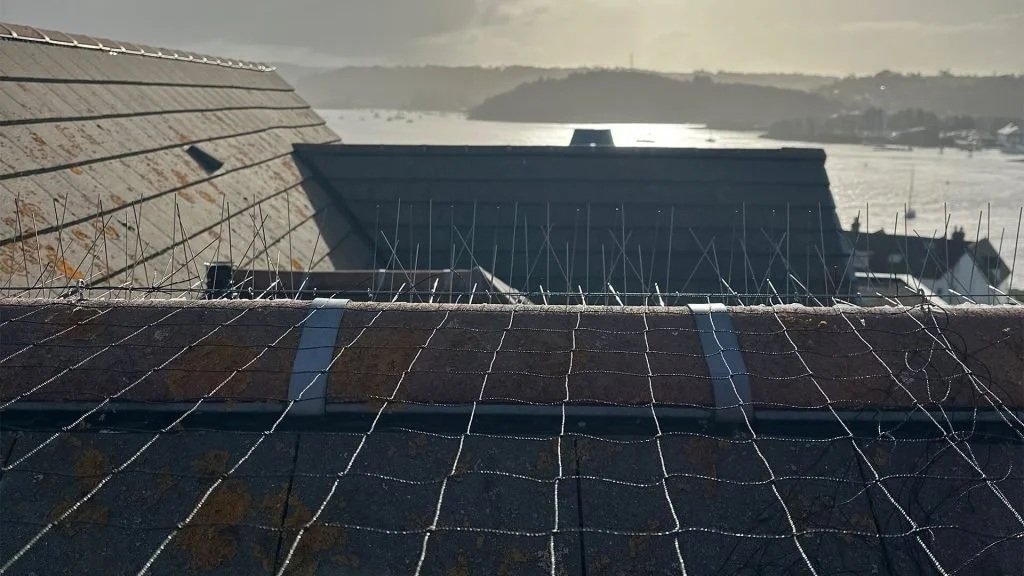
The challenge is finding a way to control seagulls without harming the birds. Effective seagull control focuses on changing the conditions that attract birds to a property and using humane deterrent systems that make unwanted areas less suitable for nesting and roosting.
This approach can be useful for both commercial and residential properties. Warehouses, restaurants, waste facilities, solar arrays, rooftops, docks, piers, marinas, and homes can all have different bird-control challenges. A solution that works on one property may not be appropriate for another.
Professional seagull deterrence begins with understanding the property, identifying where birds are landing or nesting, and selecting a system suited to the structure and bird behavior. With more than 20 years of specialized experience, Seagull Control Systems® focuses on customized, long-term deterrent solutions designed to protect buildings, equipment, solar panels, and outdoor spaces while avoiding harm to wildlife.
What Is Seagull Control?
Seagull control is the process of preventing or reducing unwanted seagull activity around a property through humane deterrence, exclusion, habitat management, and property-specific prevention strategies.
The objective is not to eliminate birds from an area. Instead, professional seagull control aims to discourage birds from using specific locations for nesting, roosting, feeding, or congregating.
A complete approach may address several problems at once:
Seagull nesting on rooftops
Repeated roosting on buildings and equipment
Guano accumulation
Bird activity around solar panels
Nesting near HVAC equipment
Birds gathering around waste areas
Seagulls occupying docks and piers
Bird activity around outdoor dining areas
Repeated return to previously occupied locations
The right deterrent depends on the property and the behavior being addressed. That is why a professional assessment is often more useful than choosing a generic bird-control product.
Why Seagulls Return to the Same Properties
Seagulls are adaptable birds that can take advantage of structures offering elevated positions, shelter, food sources, and relatively undisturbed nesting locations.
Flat commercial roofs can resemble suitable nesting areas. Rooftop equipment, parapets, ledges, solar panels, loading areas, and other structures can also provide places for birds to land or shelter.
Once birds establish a pattern of using a location, simply removing visible birds may not solve the underlying problem. Long-term seagull deterrence considers why the property is attractive in the first place and how access to problem areas can be reduced.
Seagull Control vs. Bird Removal
Bird removal and bird deterrence are not the same thing.
Removing birds from a property may address an immediate situation, but it does not necessarily prevent them from returning. Deterrence focuses on making specific areas less attractive or less accessible so birds are discouraged from using them again.
For properties experiencing recurring nesting or roosting, prevention is often a more sustainable strategy than repeatedly reacting after birds have established themselves.
Why Seagull Deterrence Matters for Property Owners
Seagull activity can affect more than the appearance of a property. Persistent bird activity can create maintenance, cleanliness, operational, and equipment-related concerns.
Guano is one of the most visible problems. Accumulated droppings can make roofs, walkways, decks, loading areas, docks, and outdoor seating unpleasant to use and more difficult to maintain.
Bird nesting can create additional concerns around drainage systems, rooftop equipment, and other areas where nesting material accumulates.
Protecting Commercial Buildings
Commercial properties often have large, exposed surfaces where seagulls can establish regular roosting patterns.
Warehouses, retail buildings, distribution facilities, restaurants, industrial properties, and waste facilities may experience bird activity around roofs, loading areas, dumpsters, equipment, and exterior structures.
A professional seagull deterrent system can be designed around the specific areas where birds are causing problems rather than treating the entire property unnecessarily.
Protecting Rooftops and Equipment
Rooftops can be particularly vulnerable because they offer elevation and, in many cases, relatively limited human activity.
Bird activity around HVAC systems, vents, rooftop machinery, drainage areas, and other equipment can make routine maintenance more difficult.
A customized control plan can identify vulnerable locations and determine which areas require deterrence or exclusion.
Protecting Solar Panels
Solar installations can create sheltered spaces that birds may attempt to use for nesting or roosting.
Seagull droppings can also accumulate on or around solar panels, creating a recurring cleaning issue and reducing the cleanliness of the installation.
Solar-specific bird deterrence should be planned carefully so the system does not interfere with the panels, wiring, maintenance access, or normal operation of the array.
How Humane Seagull Deterrent Systems Work
Humane seagull deterrent systems work by discouraging birds from using specific areas without relying on methods intended to injure or kill them.
The exact system depends on the property.
Common professional approaches can include physical exclusion, access barriers, deterrent lines, specialized netting, bird-control devices, and other site-specific methods.
The goal is to change the physical environment so birds have fewer opportunities to land, nest, or repeatedly roost in the problem area.
Physical Exclusion
Physical exclusion prevents birds from accessing specific spaces.
This can be particularly useful where birds are repeatedly entering a defined area beneath solar panels, inside structural spaces, or around equipment.
The system needs to be installed correctly so that it provides effective coverage without creating unnecessary hazards for birds or interfering with property operations.
Rooftop Deterrence
Rooftop bird control may involve protecting ledges, parapets, equipment areas, and other locations that attract repeated bird activity.
The best approach depends on roof design, access requirements, equipment placement, bird behavior, and the extent of the infestation.
A professional assessment helps determine which areas should receive protection and which deterrent method is appropriate.
Deterrence Around Solar Panels
Solar-panel bird control requires careful planning because the installation must coexist with the solar system.
A customized approach can help limit access to spaces where birds attempt to nest while maintaining appropriate access for inspection and maintenance.
The system should be designed around the specific solar array rather than applying a one-size-fits-all method.
How to Prevent Seagull Nesting and Roosting
Preventing seagull nesting is usually easier when action begins before birds become firmly established.
Property owners should look for recurring signs of activity, including droppings, nesting materials, feathers, repeated bird congregation, and birds returning to the same ledges or roof areas.
Identify Attractive Areas
Start by identifying where seagulls spend the most time.
Look for:
Flat or sheltered roof sections
Ledges and parapets
Areas beneath solar panels
HVAC equipment
Docks and piers
Waste and loading areas
Outdoor dining spaces
Building edges and elevated structures
The goal is to understand the birds' preferred locations rather than treating every part of the property equally.
Address Food and Waste Sources
Food availability can encourage repeated bird activity.
Open waste containers, exposed food waste, improperly managed refuse, and outdoor food areas can attract gulls and other birds.
Improving waste management and reducing accessible food sources can complement physical deterrent systems. Deterrence works best when the surrounding property does not continue providing strong reasons for birds to congregate.
Install Deterrents Before Nesting Becomes Established
Timing can matter.
Once birds establish a nesting location, management can become more complicated. Property owners should address recurring activity early rather than waiting until nesting becomes a major issue.
For existing nests, property owners should avoid disturbing birds or nests without understanding applicable wildlife protections. Professional guidance can help determine an appropriate and lawful approach.
Seagull Control for Different Property Types
Different properties create different bird-control challenges. A commercial warehouse, marina, restaurant, and residential home may require completely different deterrent strategies.
Commercial Rooftops
Commercial roofs can provide large areas for roosting and nesting. Professional deterrence may focus on roof edges, equipment, ledges, drainage areas, and other frequently occupied locations.
Warehouses and Industrial Facilities
Warehouses may experience bird activity around loading docks, roof structures, waste areas, and exterior equipment.
A customized system can focus on the locations that birds actually use while minimizing disruption to employees and normal operations.
Waste Facilities
Waste and refuse areas can be especially attractive when accessible food sources are present.
Bird control at these properties may combine deterrent systems with better waste containment and site management.
Docks, Piers, and Marinas
Waterfront properties present unique challenges because seagulls naturally spend considerable time around coastal and marine environments.
Docks, piers, boat structures, railings, and elevated surfaces can become preferred roosting locations.
Professional deterrence can focus on specific areas where bird activity interferes with customers, equipment, cleanliness, or property use.
Restaurants and Outdoor Dining Areas
Seagulls around outdoor dining areas can create an unpleasant experience for customers.
The objective is to discourage birds from approaching seating areas while keeping the environment comfortable for people.
Residential Properties
Homes can also experience persistent seagull activity, particularly properties near coastlines, lakes, harbors, or other areas with regular bird activity.
Residential control may focus on roofs, decks, solar panels, chimneys, outdoor areas, and other locations where birds repeatedly gather.
Professional Seagull Control vs. DIY Deterrence
DIY bird deterrents can sometimes provide short-term assistance, but they are not always suitable for persistent or large-scale problems.
Plastic predators, reflective objects, noise devices, and similar products may produce an initial reaction from birds. However, adaptable birds can become accustomed to some deterrents when there is no meaningful change to their access or preferred habitat.
Professional seagull control takes a different approach.
It starts with a site assessment, identifies bird activity patterns, evaluates the structure, and selects deterrent methods based on the actual conditions.
Why Customized Systems Matter
There is no single seagull deterrent that is ideal for every property.
A rooftop with HVAC equipment has different requirements from a solar array. A restaurant patio has different considerations from a warehouse. A marina has different access and environmental conditions from a residential home.
Customization allows the system to address the specific locations creating the problem.
What a Professional Seagull Site Assessment Should Consider
A proper assessment should look beyond the number of birds currently visible.
A professional may evaluate:
Where birds land and roost
Where nesting has occurred
How birds access the property
Potential food and waste sources
Roof and structural features
Solar-panel configuration
Equipment locations
Customer or employee activity
Maintenance access
Existing bird-control measures
The resulting plan should balance effective deterrence with property use, maintenance requirements, aesthetics, and humane wildlife practices.
Common Mistakes in Seagull Control
One common mistake is treating only the visible symptoms.
Cleaning guano without addressing why birds keep returning may provide only temporary relief. Similarly, removing nesting material without reducing access to the preferred location may allow the cycle to continue.
Another mistake is installing a deterrent without considering the entire property.
If birds can simply move a few feet to an unprotected ledge, the problem may continue in another location.
A third mistake is choosing a system based solely on price. The cheapest product is not necessarily the most appropriate solution if it does not match the property's structure or bird behavior.
Best Practices for Humane Seagull Deterrence
Effective seagull control generally combines prevention, property management, and appropriately selected deterrent systems.
Start With an Inspection
Identify the actual problem areas before selecting equipment or installation methods.
Protect Problem Areas
Focus deterrence where birds consistently nest, roost, or congregate.
Reduce Attractants
Keep waste contained and reduce accessible food sources where practical.
Consider Long-Term Prevention
The goal should be to discourage recurring bird activity rather than repeatedly reacting to the same problem.
Use Humane Methods
Select systems designed to deter birds without causing unnecessary injury.
Plan for Maintenance
Deterrent systems should be compatible with roof inspections, solar maintenance, equipment servicing, and normal property operations.
Are Professional Seagull Deterrents Safe for Birds?
Humane seagull deterrence is designed to discourage birds from occupying specific areas rather than intentionally harming them.
However, the safety of any bird-control installation depends on the design, materials, placement, installation quality, and local wildlife requirements.
Property owners should also be aware that bird protections can vary by jurisdiction and circumstance. Active nests, eggs, or young birds may require special consideration.
For that reason, professional assessment and appropriate local guidance are preferable to improvised methods that could unintentionally harm wildlife or create legal problems.
How Long-Term Seagull Control Protects Your Property
The value of professional seagull deterrence extends beyond simply keeping birds away.
A well-planned system can help property owners maintain cleaner outdoor spaces, protect vulnerable equipment, reduce recurring nesting activity, and make problem areas easier to manage.
For commercial properties, controlling bird activity can also support a cleaner appearance for customers, employees, tenants, and visitors.
The most effective strategy is usually preventive: identify recurring problem areas, understand why birds are attracted to them, and create physical or environmental conditions that discourage continued use.
Conclusion
Seagull control is most effective when it focuses on long-term prevention rather than repeatedly reacting to birds after they have established a property as a nesting or roosting location.
Commercial and residential properties can face very different challenges, from rooftop nesting and solar-panel activity to bird congregation around docks, piers, warehouses, waste facilities, and outdoor dining spaces. Each situation requires consideration of the property's structure, bird behavior, maintenance needs, and wildlife protections.
Humane seagull deterrent systems provide a way to protect these areas while discouraging birds from using them. The strongest approach combines a professional site assessment, targeted deterrence, responsible property management, and ongoing attention to areas that attract recurring bird activity.
For property owners dealing with persistent seagull nesting, roosting, or guano pollution, the first step is to identify exactly where and why the birds are using the property. From there, a customized seagull control plan can provide a practical path toward protecting the building, equipment, solar installation, or outdoor space without relying on harmful wildlife-control methods.
Frequently Asked Questions
What is the most effective way to keep seagulls off commercial roofs?
The most effective approach is usually a customized deterrent system based on the roof's design and the birds' behavior. Professional assessments can identify nesting, roosting, access points, and vulnerable areas so deterrents can be installed where they are most useful.
How do professional seagull deterrent systems prevent nesting and roosting?
Professional systems discourage birds from accessing preferred locations by creating physical barriers or making specific surfaces unsuitable for landing or nesting. The exact method depends on the building, roof structure, equipment, and areas where birds are active.
Are seagull deterrent systems safe, humane, and legal in the USA and Canada?
Humane deterrent systems are designed to discourage birds rather than intentionally injure them. Wildlife rules can vary by location, particularly around active nests, eggs, or young birds, so property owners should follow applicable federal, state, provincial, and local requirements.
How can seagulls damage commercial roofs, HVAC equipment, and building surfaces?
Repeated bird activity can contribute to guano accumulation, nesting debris, and maintenance problems around roofs and equipment. Birds may also occupy areas that make inspections, cleaning, and routine servicing more difficult.
How can property owners protect solar panels from seagull damage and droppings?
Solar-panel bird control can combine exclusion and deterrent methods designed specifically around the array. The system should protect vulnerable areas while maintaining appropriate access for inspection, cleaning, repairs, and other solar maintenance.
What are the best seagull control solutions for docks, piers, marinas, and boats?
The right solution depends on the structure and where birds are gathering. Professional control may focus on railings, elevated surfaces, boat structures, covered areas, and other preferred roosting locations while considering normal waterfront operations.
How long do professional seagull deterrent systems typically last?
Service life varies according to the system, materials, installation location, weather exposure, property conditions, and maintenance. A professional assessment can provide a more realistic expectation for a particular installation instead of applying one lifespan estimate to every system.
Can professional seagull control prevent birds from returning to the same property?
Professional deterrence can significantly discourage birds from repeatedly using protected areas, but no responsible system should guarantee that birds will never return. Results depend on bird behavior, food sources, neighboring habitat, property conditions, and the coverage of the deterrent system.
How much does professional seagull control cost for a commercial or residential property?
Cost varies based on property size, access, bird activity, installation complexity, materials, and the number of areas requiring protection. A site assessment is generally the best way to determine the appropriate scope and provide a property-specific estimate.
How does a professional seagull site assessment and customized deterrent plan work?
A professional assessment examines bird activity, nesting and roosting locations, access points, property structures, equipment, and potential attractants. The findings are then used to select deterrent methods that fit the property's physical layout and operational requirements.