What Are the Best Seagull Deterrent Solutions for Docks and Piers?
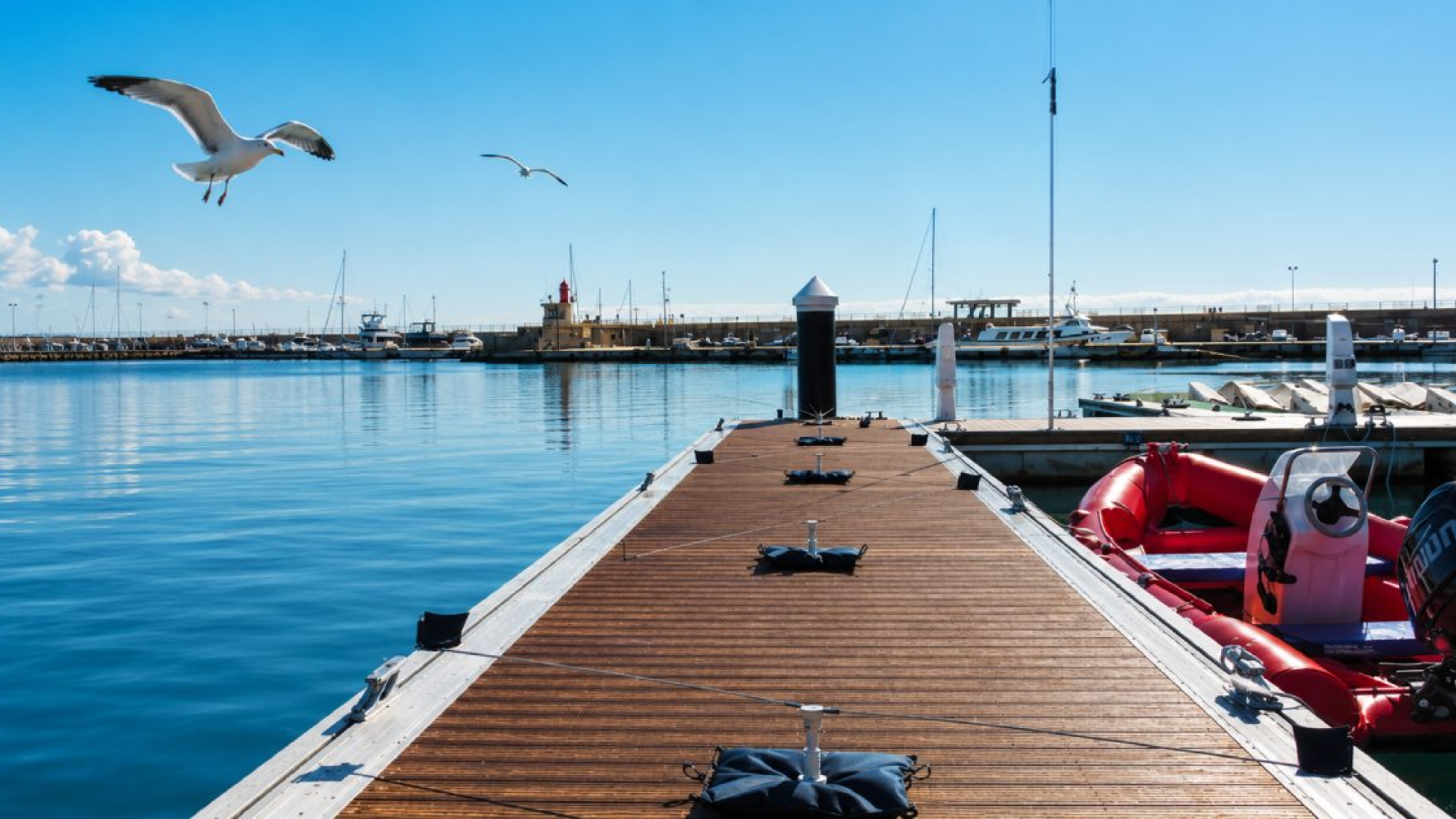
Docks and piers provide exactly the kind of environment seagulls often find attractive: elevated surfaces for resting, open areas for feeding, access to water, and structures that can provide shelter or nesting opportunities. A small number of birds may seem manageable at first, but repeated roosting can quickly create problems with droppings, noise, nesting material, property contamination, and damage to equipment and surfaces.
For marina operators, waterfront property owners, commercial facilities, restaurants, municipalities, and homeowners, the goal is not simply to remove birds temporarily. Effective seagull control focuses on making specific areas less attractive for landing, roosting, and nesting while using humane methods that do not intentionally harm wildlife.
The best approach depends on the property, bird behavior, structure, access points, and the areas that need protection. Professional seagull deterrent systems can combine physical barriers, tensioned systems, exclusion methods, visual deterrents, and other site-specific techniques to address these conditions.
This guide explains the most effective seagull deterrent solutions for docks and piers, how they work, where each approach fits, and what property owners should consider before installing a system.
Why Seagulls Gather on Docks and Piers
Docks and piers naturally offer several features that attract gulls. Wide railings, pilings, roofs, boat structures, storage areas, light fixtures, and elevated platforms can all become convenient resting or observation points.
Waterfront locations can also provide easy access to food. Fish, discarded food, waste containers, fishing activity, and other food sources may encourage birds to remain in the area.
Once gulls establish a regular pattern of landing or roosting, simply chasing them away may not solve the underlying problem. If the same attractive surfaces remain available, birds may return shortly after the disturbance stops.
Common Seagull Problems on Docks and Piers
Seagull activity can affect both the appearance and operation of waterfront properties.
Common issues include:
Bird droppings on walking surfaces, railings, boats, roofs, and equipment
Nesting on elevated structures
Accumulation of feathers and nesting materials
Noise from repeated roosting and nesting
Contamination around outdoor dining or recreational areas
Droppings on vehicles and watercraft
Damage or accelerated deterioration of certain surfaces and equipment
Blocked drains or contaminated drainage areas
Increased cleaning and maintenance requirements
Conflicts between birds and people using the waterfront
The right deterrent strategy addresses the specific locations where these problems occur rather than treating the entire property as if every area requires the same solution.
What Are the Best Seagull Deterrent Solutions for Docks and Piers?
There is no single deterrent that works equally well for every dock or pier. Professional bird control typically starts with identifying where gulls land, where they roost, whether nesting is occurring, and what environmental conditions are encouraging them to remain.
The most useful solutions can include physical exclusion systems, tensioned deterrents, bird spikes where appropriate, netting, visual deterrents, and modifications to reduce attractive landing areas.
Physical Bird Deterrent Systems
Physical deterrents are designed to make selected surfaces difficult or undesirable for birds to occupy.
Depending on the structure, systems may be installed along railings, beams, ledges, rooflines, equipment areas, and other frequently used landing points.
The objective is not to injure birds. Instead, the system changes access to the protected surface so birds have fewer opportunities to land or establish a regular roost.
Bird Spikes for Appropriate Surfaces
Bird spikes can be useful on certain narrow ledges and structural surfaces where gulls repeatedly land.
They work by making the surface unsuitable for comfortable perching. Proper placement matters because gaps or poorly selected installation areas can leave birds with enough space to continue landing.
Bird spikes are not appropriate for every dock or pier. Waterfront structures often have unusual shapes, exposed edges, moving equipment, and areas where appearance and public access must also be considered.
Bird Netting and Exclusion Systems
Bird netting can physically prevent birds from entering or occupying specific areas.
It may be useful for enclosed structures, covered dock areas, loading zones, storage spaces, or other locations where birds repeatedly enter or nest.
The system must be designed and installed carefully. Poorly installed netting can create maintenance problems and may not effectively exclude birds from the protected area.
Tensioned Wire and Similar Landing Deterrents
Tensioned systems can be installed along suitable ledges and surfaces to discourage gulls from landing.
These systems are particularly useful where maintaining the appearance of the structure is important and where a physical barrier would be visually intrusive.
The placement should follow the architecture of the dock or pier and the actual landing behavior of the birds.
Visual and Behavioral Deterrents
Visual deterrents can sometimes contribute to a broader bird management plan. Depending on the site, these may include reflective elements or other devices intended to make an area less attractive to birds.
However, birds can become accustomed to static deterrents. For that reason, relying on a single visual device may provide limited long-term results when a property has an established gull problem.
A more effective strategy generally considers the structure and bird behavior together.
How Professional Seagull Control Works on Docks and Piers
Professional seagull control begins with observation rather than immediately installing a product.
A site assessment helps determine how birds are using the property and which areas require protection.
Step 1: Identify Landing and Roosting Areas
The first step is to locate the surfaces gulls use most frequently.
These may include:
Dock railings
Pier edges
Roofs
Pilings
Light fixtures
Boat structures
Storage buildings
Mechanical equipment
Covered areas
Elevated platforms
Protecting the wrong areas can leave the primary bird activity untouched.
Step 2: Determine Whether Nesting Is Occurring
Nesting requires additional consideration because active nests may involve wildlife protection requirements.
Property owners should avoid disturbing nests or attempting removal without understanding applicable regulations and obtaining professional guidance where necessary.
A qualified bird control professional can help determine what type of intervention is appropriate for the site and circumstances.
Step 3: Identify Food and Attractants
Deterrents work more effectively when property conditions do not continually encourage birds to remain.
Waste containers, exposed food, fishing activity, and improperly managed organic waste can contribute to bird activity.
Where practical, improving waste management and reducing accessible food sources should form part of the overall control strategy.
Step 4: Choose the Appropriate Deterrent System
The system should match the surface and the behavior being addressed.
For example, a narrow railing may require a different approach than a large covered structure. A nesting area may require a different strategy from an open landing surface.
This is why customized seagull control is often more appropriate than purchasing one generic device and placing it around the property.
Step 5: Install and Monitor the System
Installation should account for structural conditions, public access, maintenance requirements, weather exposure, and the long-term use of the dock or pier.
After installation, monitoring can help determine whether birds have shifted to another part of the property.
If they have, additional areas may need to be addressed.
Why Docks and Piers Require Specialized Bird Control
Waterfront properties present conditions that are different from many buildings and commercial roofs (similar to challenges faced on commercial roofs).
Wind, moisture, salt exposure, waves, boats, changing water levels, public traffic, and constant outdoor exposure can affect both the property and the deterrent system.
Exposure to Weather and Water
A dock or pier system must be appropriate for its environment.
Materials and installation methods need to account for outdoor exposure and the specific conditions of the site. A solution that works well on an inland building may not be suitable for a waterfront structure.
Public Safety and Accessibility
Docks and piers are often used by customers, employees, boat owners, anglers, residents, or visitors.
Deterrent systems should not create unnecessary hazards for people using the property. Placement matters, particularly around walkways, handrails, seating areas, boat slips, and frequently accessed equipment.
Protection of Boats and Waterfront Equipment
Bird activity does not only affect the dock itself.
Gulls may also land on boats, canopies, signs, equipment, solar installations, storage structures, and other nearby surfaces. A property assessment should consider the wider pattern of bird movement rather than focusing on one contaminated surface.
Why Scaring Seagulls Away Is Not Always a Long-Term Answer
One common misconception is that repeatedly frightening gulls away will permanently solve the problem.
Disturbance can temporarily change bird behavior, but if a property continues to offer attractive food, shelter, and landing surfaces, birds may return.
The same issue can occur with certain visual scare devices. If birds repeatedly encounter a device without experiencing a meaningful reason to avoid the area, its effectiveness may decrease over time.
A long-term approach focuses on changing access and conditions rather than repeatedly chasing birds away.
Humane Seagull Deterrence: What Property Owners Should Know
Responsible bird control should aim to prevent unwanted bird activity without intentionally harming wildlife.
Humane deterrence generally works by modifying the environment so birds cannot easily use selected surfaces for landing, roosting, or nesting (learn more about humane deterrence).
That distinction matters. The goal is not to eliminate birds from the surrounding environment. It is to protect specific property areas from persistent bird activity.
Avoid Improvised Methods
Homeowners and property managers sometimes try methods that may be ineffective, unsafe, or inappropriate for the site.
Examples can include makeshift barriers, poorly positioned netting, or devices that create hazards for people or wildlife.
Professional assessment can help determine which deterrent methods are suitable for the structure and local conditions.
Consider Local Wildlife Requirements
Wildlife regulations can vary by jurisdiction and situation. Nesting birds and active nests may receive legal protections, so property owners should obtain appropriate professional guidance before attempting removal or disturbing an established nesting site.
The safest approach is to plan bird deterrence before nesting becomes established whenever possible.
How to Choose the Right Seagull Deterrent for a Dock or Pier
A useful way to evaluate bird control options is to look at five factors: bird behavior, structure, problem severity, accessibility, and long-term maintenance.
Consider the Bird Behavior
Are gulls primarily landing, roosting, nesting, feeding, or using the site for several of these activities?
The answer affects the type of system that makes sense.
Consider the Structure
A flat roof, narrow railing, pier edge, piling, covered walkway, and enclosed storage area each present different installation requirements.
The physical design of the structure should influence the deterrent selection.
Consider the Problem Areas
Not every square foot of a property necessarily needs protection.
Identifying high-activity areas can allow the deterrent strategy to focus on the locations creating the greatest operational or maintenance problems.
Consider Maintenance
Waterfront properties require ongoing inspection and maintenance.
The system should be accessible enough to inspect when necessary, particularly after severe weather or changes to the structure.
Consider the Long-Term Plan
The best bird control strategy is rarely based on one isolated device.
A comprehensive plan may combine deterrents with improved waste management, removal of accessible food sources, structural exclusion, routine inspections, and adjustments as bird behavior changes.
Common Mistakes to Avoid With Seagull Control
Several mistakes can make a bird control project less effective.
Installing Deterrents Only After Nesting Becomes Severe
Early intervention can make management easier. Once gulls have established a dependable nesting or roosting location, changing their behavior may require a more comprehensive strategy.
Protecting Only the Most Visible Area
Birds may simply move to another nearby surface.
If gulls are pushed away from one railing but can immediately land on an adjacent roof, beam, or equipment structure, the overall problem may continue.
Using One Product Everywhere
Different surfaces require different approaches. A deterrent that fits a narrow ledge may be unsuitable for a large open structure.
Ignoring Food and Waste Sources
A property can have an effective physical deterrent system and still experience bird activity if easily accessible food remains nearby.
Choosing Appearance Over Function
A discreet system may be preferable in public-facing locations, but effectiveness should remain a primary consideration.
The right balance depends on the property, its architecture, and how the area is used.
Practical Best Practices for Docks, Piers, and Marinas
Property owners can improve their bird management strategy by combining professional deterrence with good site management.
Useful practices include:
Inspect waterfront structures regularly for new nesting activity.
Keep garbage and food waste properly contained.
Clean heavily contaminated surfaces using appropriate procedures.
Identify recurring roosting locations.
Inspect nearby roofs, equipment, and covered structures.
Address bird activity before it expands to additional areas.
Use deterrent systems designed for the specific surface.
Monitor whether birds relocate to adjacent areas.
Maintain installed systems as recommended.
Seek professional guidance before disturbing active nests.
These steps help turn bird control from a one-time cleanup project into an ongoing property-management process.
Can Professional Seagull Deterrents Prevent Birds From Returning?
No deterrent system can honestly guarantee that birds will never return to a property.
Bird behavior is influenced by food availability, nesting opportunities, weather, surrounding habitat, and changes to the property.
Professional deterrence is designed to make protected areas less suitable for repeated use. When combined with good site management and appropriate maintenance, it can significantly improve control of unwanted landing, roosting, and nesting activity in targeted areas.
The key is to address the reasons birds are using the property rather than relying only on temporary disturbance.
What Makes a Customized Seagull Control Plan Different?
A customized plan begins with the actual property rather than a generic product list.
For a dock or pier, the assessment may consider the shoreline layout, building structures, railings, roof areas, equipment, boat traffic, public access, nesting locations, and recurring contamination points.
A professional with extensive bird-control experience can then recommend deterrent methods that fit the site.
For commercial properties, this approach can also help property managers plan around operations, customer access, cleaning schedules, and maintenance requirements.
Conclusion
The best seagull deterrent solution for a dock or pier depends on how birds are using the property, the structure being protected, and the environmental conditions surrounding the site.
Physical deterrents, exclusion systems, tensioned systems, bird spikes, netting, and carefully selected visual deterrents can all have a place in a professional bird-control strategy. The most appropriate option is determined by the specific surface and bird behavior rather than by choosing the same product for every situation.
Effective seagull management also goes beyond installing equipment. Reducing accessible food sources, managing waste, monitoring nesting activity, maintaining deterrent systems, and addressing secondary landing areas can all contribute to better long-term control.
For waterfront properties dealing with persistent seagull activity, a professional site assessment can provide a practical starting point. A properly designed humane deterrent system can help protect docks, piers, boats, equipment, buildings, and public-use areas while respecting wildlife.
Frequently Asked Questions
What are the best seagull control solutions for docks, piers, marinas, and boats?
The appropriate solution depends on the structure and bird behavior. Options can include physical exclusion, tensioned systems, bird spikes, netting, and selected visual deterrents. A site assessment helps determine which combination fits the property.
How do professional seagull deterrent systems prevent nesting and roosting?
Professional systems make targeted surfaces less suitable for landing, resting, or establishing nests (discover how these prevent nesting and roosting). Depending on the location, this can involve physical barriers, exclusion systems, or other deterrents designed around the structure and observed bird behavior.
Are seagull deterrent systems safe and humane?
Humane bird deterrence is designed to discourage birds from using protected areas rather than intentionally harming them. The system should be selected and installed appropriately for the location, with additional care taken around active nests and wildlife protections.
How can seagulls damage docks, piers, boats, and equipment?
Persistent bird activity can result in droppings, nesting material, contamination, noise, and increased cleaning requirements. Droppings can also create maintenance concerns for surfaces and equipment, particularly when accumulation is allowed to continue.
Can professional seagull control prevent birds from returning to the same property?
Professional deterrence can reduce repeated use of targeted areas, but no responsible provider should guarantee that birds will never return. Results depend on site conditions, bird behavior, food sources, nesting activity, and ongoing maintenance.
How long do professional seagull deterrent systems typically last?
Service life depends on the type of system, materials, installation conditions, weather exposure, and maintenance. Waterfront environments can be particularly demanding, so regular inspection is useful for identifying wear or damage.
What is the most effective way to keep seagulls off a dock?
The most effective approach depends on where and why gulls are using the dock. Identifying preferred landing and roosting areas, reducing food attractants, and installing appropriately designed physical deterrents can provide a more comprehensive approach than simply scaring birds away.
How much does professional seagull control cost?
Cost varies according to property size, the number of areas requiring protection, access conditions, installation requirements, selected deterrent systems, and the complexity of the bird problem. A site assessment is generally needed to develop an accurate scope of work.
Can seagull deterrents be installed without affecting public access?
Yes, systems can be selected and positioned with public use in mind. Docks, piers, marinas, restaurants, and other waterfront locations require careful consideration of walkways, railings, seating areas, boat access, and other areas used by people.
How does a professional seagull site assessment work?
A site assessment examines where birds land, roost, feed, and nest, along with the physical characteristics of the property. The findings can then be used to identify priority areas and develop a customized deterrent strategy suited to the site's structure and operating conditions.