Are Seagull Deterrent Systems Safe and Humane for Wildlife?
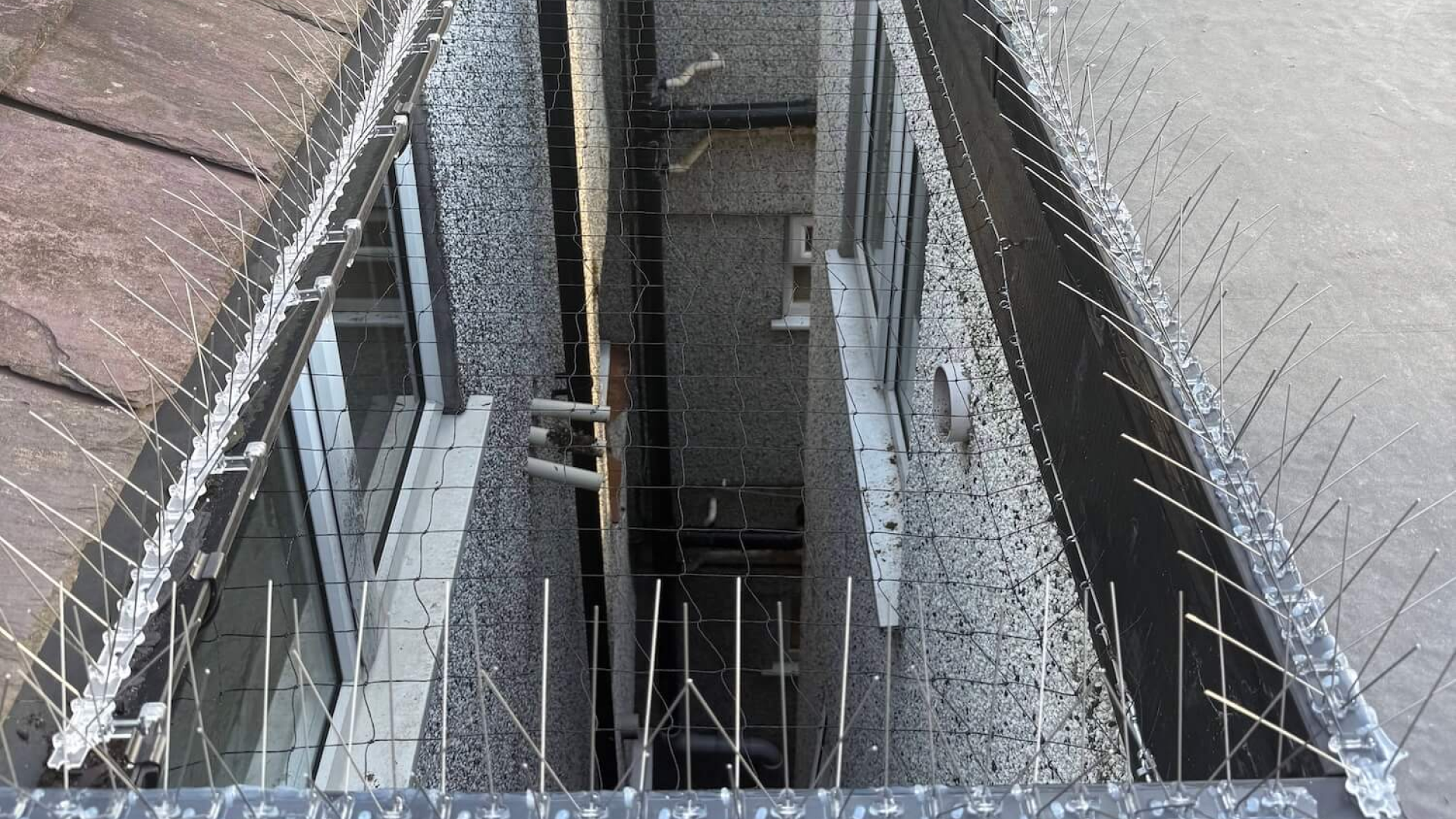
Seagulls can create serious problems when they begin nesting, roosting, or gathering in large numbers around buildings, rooftops, solar panels, docks, warehouses, restaurants, and other properties. Their droppings can create sanitation concerns, nesting materials can obstruct drainage or equipment, and persistent bird activity can interfere with customers, employees, residents, and property operations.
That naturally raises an important question: Are seagull deterrent systems safe and humane for wildlife?
In many cases, professional bird deterrent systems can be designed to discourage seagulls from using a property without physically harming the birds. The goal is not to injure or eliminate wildlife. Instead, properly selected deterrents make a specific location less attractive for landing, nesting, roosting, or repeatedly returning.
The key is how the system is designed and installed. A deterrent that is appropriate for one property may not be suitable for another. Building layout, bird behavior, nesting activity, access points, nearby food sources, and the type of structure all matter.
This guide explains how humane seagull control works, which methods are commonly used, what property owners should look for in a professional system, and how to approach bird control responsibly in the USA and Canada.
What Does Humane Seagull Deterrence Mean?
Humane seagull deterrence means using methods intended to change bird behavior without unnecessarily injuring or killing the birds.
Rather than trapping or harming seagulls, a properly planned deterrent system makes specific areas uncomfortable, inaccessible, or unsuitable for nesting and roosting. The birds can then move to other locations where they are less likely to conflict with people or property.
This distinction matters because effective bird control is not simply about getting birds away from a building. A responsible system considers both the property owner's needs and the welfare of the wildlife.
How Humane Deterrence Works
Professional systems may use physical, visual, structural, or behavioral deterrents depending on the property.
Common approaches can include:
Bird exclusion and physical barriers
Bird netting in appropriate applications
Carefully installed bird wire or tension systems
Spikes designed for suitable surfaces
Visual deterrents in selected situations
Habitat and access modifications
Customized combinations of deterrent methods
The objective is generally to prevent birds from comfortably landing, nesting, or roosting in targeted areas.
Deterrence Is Different From Wildlife Removal
Humane bird control should not automatically be confused with removing birds that are already nesting.
If active nests, eggs, or dependent young are present, additional considerations may apply. Property owners should not assume that a nest can simply be removed because it is inconvenient.
A professional assessment can help determine what activity is occurring and whether additional precautions or appropriate wildlife guidance are needed.
Why Professional Seagull Deterrent Systems Can Be Humane
The safety of a seagull deterrent system depends heavily on the method selected and how it is installed.
A well-designed system works by influencing where birds can land or settle rather than relying on physical injury. For example, a properly configured exclusion system can block access to a protected area while leaving the birds free to fly away and seek another location.
The System Should Match the Property
There is no single deterrent that works identically on every roof, solar array, dock, or commercial facility.
A rooftop with multiple mechanical units presents different challenges from a warehouse with open structural areas. Solar panels may require a different approach from a restaurant patio or marina.
A professional plan may consider:
Roof design and pitch
Ledges and potential nesting locations
HVAC and mechanical equipment
Solar panel layout
Building entrances and openings
Nearby water or feeding areas
Existing bird activity
Accessibility for installation and maintenance
Whether nesting is already occurring
Matching the method to the property helps reduce unnecessary risks and improves the likelihood that birds will simply avoid the protected area.
Common Humane Seagull Deterrent Methods
Different properties require different combinations of bird control methods. The most appropriate option should be determined after evaluating the site rather than selecting a product based only on price or popularity.
Bird Netting and Exclusion
Bird netting can be useful for closing off specific areas where birds repeatedly enter, roost, or nest.
When properly designed and installed, the netting creates a physical barrier that prevents access to the protected space. It can be particularly useful for enclosed structures, roof sections, loading areas, warehouses, and other locations with defined openings.
The installation needs to be secure and appropriate for the structure. Poorly installed netting can create maintenance problems or unintended hazards, which is why professional installation matters.
Bird Wire and Tension-Based Systems
Bird wire systems can discourage birds from landing on selected ledges and roof edges.
The concept is relatively simple: the system changes the landing surface so the birds are less likely to settle comfortably in that area.
Proper placement is essential. A system installed without considering bird landing patterns may leave alternative areas available and provide limited protection.
Bird Spikes
Bird spikes can be appropriate for certain ledges and narrow surfaces where birds regularly attempt to land.
The purpose is not to injure the bird. Properly selected and installed spikes make the surface unsuitable for comfortable perching.
Their effectiveness depends on correct sizing, positioning, and maintenance. They are not automatically appropriate for every roof, ledge, or bird-control situation.
Visual and Behavioral Deterrents
Some properties may benefit from visual or behavioral deterrents that make an area less attractive to birds.
These approaches can sometimes complement physical exclusion, particularly where bird activity changes throughout the day or across different seasons.
However, birds can adapt to certain visual deterrents over time. That is one reason professional bird control often relies on a customized combination of methods rather than a single device.
Are Seagull Deterrents Safe for Birds?
A properly selected humane deterrent is intended to discourage birds from using a protected area rather than cause injury.
That does not mean every product marketed as a bird deterrent is automatically safe. Installation quality, product design, placement, maintenance, and the presence of active nests can all affect wildlife safety.
Property owners should ask:
What type of deterrent is being proposed?
How does it work?
Is it designed to exclude or discourage birds without injuring them?
Could birds become trapped or entangled?
Are there active nests or dependent young?
How will the system be inspected and maintained?
Does the approach comply with applicable wildlife regulations?
These questions help distinguish a professionally planned wildlife deterrent system from a quick product installation.
What About Seagull Nests, Eggs, and Young Birds?
This is one of the most important considerations in humane seagull control.
A property owner may notice a nest on a roof and assume that installing deterrents immediately is the best answer. In reality, the presence of eggs or young birds can change what can responsibly be done.
Never Treat an Active Nest Like an Empty Roosting Area
An active nest requires additional care. Moving, disturbing, or removing nesting material without understanding the situation can potentially harm birds and may conflict with applicable wildlife protections.
A professional assessment should identify whether the site has:
Active nesting
Eggs
Young birds
Established nesting areas
Repeated seasonal activity
Simple roosting without nesting
The appropriate response depends on the specific circumstances and applicable local, state, provincial, federal, or other wildlife requirements.
Prevention Is Usually Easier Than Repeated Intervention
Once birds have established a preferred nesting location, changing their behavior can become more difficult.
That is why preventive bird exclusion and deterrence can be valuable. Protecting vulnerable areas before birds establish repeated nesting or roosting patterns may reduce future conflicts while minimizing the need for disruptive intervention.
Can Humane Deterrents Protect Solar Panels?
Solar panels can provide elevated, sheltered surfaces that birds may use for nesting or roosting. Droppings and nesting materials can also create maintenance concerns around the panels and surrounding equipment.
A properly designed solar bird control system can help discourage birds from accessing the space beneath or around solar arrays.
Why Solar Panel Bird Control Requires Careful Installation
Solar arrays contain electrical equipment and components that should not be damaged during bird-control installation.
A professional assessment should consider:
Panel configuration
Roof access
Gaps beneath panels
Inverter and electrical equipment locations
Existing nests
Drainage
Maintenance access
The appropriate exclusion method
The goal is to protect the solar installation while avoiding unnecessary risks to birds, workers, and the equipment itself.
How Humane Seagull Control Protects Commercial Properties
Seagull activity can affect more than the appearance of a building.
Persistent nesting and roosting may create maintenance challenges around rooftops, HVAC equipment, loading areas, warehouses, outdoor dining spaces, waste facilities, docks, and other commercial environments.
A professional deterrent strategy can help property owners reduce bird access to sensitive areas while keeping normal business operations in mind.
Rooftops and HVAC Equipment
Seagulls may use rooftops and elevated mechanical equipment as resting or nesting locations.
Keeping birds away from sensitive areas can help reduce the accumulation of droppings, nesting materials, and debris around equipment.
Outdoor Dining Areas
Restaurants and hospitality businesses have an additional concern: customers generally do not want birds repeatedly landing around tables, food-service areas, or patios.
Physical exclusion and carefully selected deterrents can help create a less attractive environment for bird activity without requiring harmful measures.
Docks, Piers, and Waterfront Properties
Waterfront properties often face persistent bird activity because natural bird habitat and human structures overlap.
Docks, piers, marinas, boats, and waterfront buildings may require specialized deterrent planning based on the structure and bird behavior.
What Makes a Seagull Deterrent System Truly Humane?
The word “humane” should describe the complete approach, not simply the product being installed.
A responsible system should consider the birds, the property, and the surrounding environment.
Key Characteristics of a Responsible System
A humane approach generally involves:
Discouraging access rather than causing injury
Avoiding unnecessary disturbance of active nests
Using appropriately designed equipment
Preventing potential entrapment or entanglement
Installing systems correctly
Inspecting and maintaining the system
Considering bird behavior before choosing a method
Following applicable wildlife regulations
The strongest approach is usually preventive and site-specific.
Common Misconceptions About Seagull Deterrence
Bird control is often surrounded by assumptions that do not apply to every property.
Myth: Every Bird Deterrent Hurts Birds
Not necessarily. Many professional deterrent approaches are designed specifically to change bird behavior or restrict access without intentionally injuring birds.
The safety of a system still depends on its design, installation, condition, and suitability for the site.
Myth: One Device Will Solve Every Seagull Problem
Bird behavior varies considerably between properties.
A device that works well on a narrow ledge may not address an open rooftop, solar array, warehouse, or dock.
Effective control often requires a combination of methods based on where and why the birds are using the property.
Myth: Removing Birds Once Is Enough
If the property continues to provide food, shelter, nesting opportunities, or convenient roosting locations, birds may return.
Long-term bird control focuses on changing access and conditions that encourage repeated use.
How a Professional Seagull Assessment Works
A professional assessment is the starting point for a customized deterrent plan.
Step 1: Inspect the Property
The site is examined for current bird activity, preferred landing locations, nesting areas, access points, food sources, and vulnerable equipment.
Step 2: Identify the Bird Behavior
The objective is to understand whether birds are primarily:
Landing
Roosting
Nesting
Feeding
Seeking shelter
Returning to an established location
Different behaviors may require different deterrent strategies.
Step 3: Identify Sensitive Areas
The assessment should identify areas that need protection, such as:
Rooftops
HVAC units
Solar panels
Building ledges
Warehouses
Waste facilities
Outdoor dining spaces
Docks and piers
Equipment areas
Step 4: Select Appropriate Deterrents
The professional can then recommend suitable exclusion or deterrent methods based on the property's structure and bird activity.
Step 5: Install and Maintain the System
Correct installation is essential. After installation, periodic inspection can help identify damaged components, new access points, or changes in bird behavior.
What Property Owners Should Ask Before Hiring a Bird Control Company
A few questions can help property owners evaluate whether a proposed solution is genuinely appropriate.
Ask the provider:
What method do you recommend and why?
How does the system discourage birds?
How will you address active nesting?
Can birds become trapped or injured?
Is the system suitable for my specific structure?
How will existing equipment be protected?
What maintenance is required?
What happens if birds find another access point?
Are there wildlife regulations that apply to this situation?
Clear answers are a good sign that the provider is approaching bird control as a property-specific problem rather than simply selling a product.
Are Seagull Deterrent Systems Legal in the USA and Canada?
Wildlife laws and regulations can vary by jurisdiction, species, property type, and situation.
The fact that a product is commercially available does not automatically mean every method can be used in every circumstance. Restrictions may apply to protected birds, active nests, eggs, young birds, or specific forms of wildlife intervention.
Property owners should follow applicable federal, state, provincial, and local requirements and work with qualified professionals when nesting or protected wildlife is involved.
If there is uncertainty about an active nest or other wildlife issue, obtaining appropriate professional or regulatory guidance before taking action is the safer approach.
Best Practices for Humane Seagull Control
A long-term strategy should focus on prevention rather than repeatedly reacting after birds have established a problem.
The most useful practices include:
Inspect the property early. Identify areas birds are using before the problem becomes extensive.
Address attractive locations. Reduce access to preferred nesting and roosting areas where practical.
Use the right deterrent for the structure. Avoid one-size-fits-all installations.
Check for active nests. Do not disturb nesting birds without understanding the applicable requirements.
Protect sensitive equipment. Consider HVAC systems, solar panels, drainage, and electrical equipment.
Maintain installed systems. Damaged or displaced deterrents can create gaps in coverage.
Monitor bird behavior. If birds begin using a new location, the strategy may need adjustment.
Think long term. Effective bird control is about reducing repeated access rather than simply addressing one visible incident.
Conclusion
So, are seagull deterrent systems safe and humane for wildlife?
They can be, when the system is appropriately designed, professionally installed, properly maintained, and used to discourage birds rather than injure them.
Humane seagull control focuses on changing access and behavior. Physical exclusion, bird wire, suitable spikes, netting, and other deterrent techniques can protect rooftops, solar panels, warehouses, docks, outdoor spaces, and other structures while allowing birds to move away from the protected area.
The most responsible approach begins with a site assessment. Understanding whether birds are nesting, roosting, feeding, or simply passing through helps determine which strategy makes sense. Active nests, eggs, and young birds also require additional care because wildlife protections may apply.
For property owners dealing with recurring seagull problems, the goal should not simply be to make birds disappear. The better objective is to create a long-term environment where birds are less likely to use sensitive areas in the first place—while protecting the property and respecting wildlife.
Frequently Asked Questions
What is the most effective way to keep seagulls off commercial roofs?
The most effective approach depends on the roof design, bird behavior, and nesting activity. Professional bird exclusion, wire systems, netting, suitable surface deterrents, and combinations of methods can help prevent landing, roosting, and nesting.
How do professional seagull deterrent systems prevent nesting and roosting?
Professional systems make selected areas less accessible or less comfortable for birds. Depending on the property, physical barriers, exclusion netting, bird wire, suitable spikes, or other deterrents can discourage birds from repeatedly using the same locations.
Are seagull deterrent systems safe, humane, and legal in the USA and Canada?
Many deterrent methods are designed to discourage birds without intentionally harming them. However, legality and wildlife requirements vary by jurisdiction and situation. Active nests, eggs, and young birds may require additional precautions and professional guidance.
How can seagulls damage commercial roofs, HVAC equipment, and building surfaces?
Seagulls can leave droppings and nesting materials around rooftops, ledges, drains, and equipment. Repeated bird activity can create cleaning and maintenance concerns and may interfere with access to sensitive building systems.
How can property owners protect solar panels from seagull damage and droppings?
Solar panel bird control can use appropriate exclusion methods to discourage birds from accessing protected areas around or beneath the panels. A professional assessment should account for panel configuration, electrical equipment, drainage, maintenance access, and existing nesting activity.
What are the best seagull control solutions for docks, piers, marinas, and boats?
Waterfront properties may benefit from customized exclusion and deterrent systems based on the structure and bird activity. The right solution can vary for docks, piers, boats, marina buildings, and other waterfront surfaces.
How long do professional seagull deterrent systems typically last?
Service life depends on the specific system, materials, installation environment, weather exposure, property conditions, and maintenance. Regular inspections can help identify damaged components and maintain effective coverage over time.
Can professional seagull control prevent birds from returning to the same property?
Professional deterrence can reduce repeated use of protected areas, but no responsible system should promise that birds will never return. Long-term effectiveness depends on maintaining deterrents and addressing conditions that attract birds to the property.
How much does professional seagull control cost for a commercial or residential property?
Cost varies according to property size, access, building design, bird activity, nesting conditions, equipment, installation requirements, and the type of deterrent selected. A site assessment is generally needed to determine the appropriate scope of work.
How does a professional seagull site assessment and customized deterrent plan work?
A professional assessment examines where birds are landing, nesting, roosting, or feeding and identifies vulnerable areas of the property. The provider can then recommend suitable deterrent methods based on the structure, bird behavior, wildlife considerations, and long-term maintenance needs.nn