How Do Professional Seagull Deterrent Systems Prevent Nesting and Roosting?
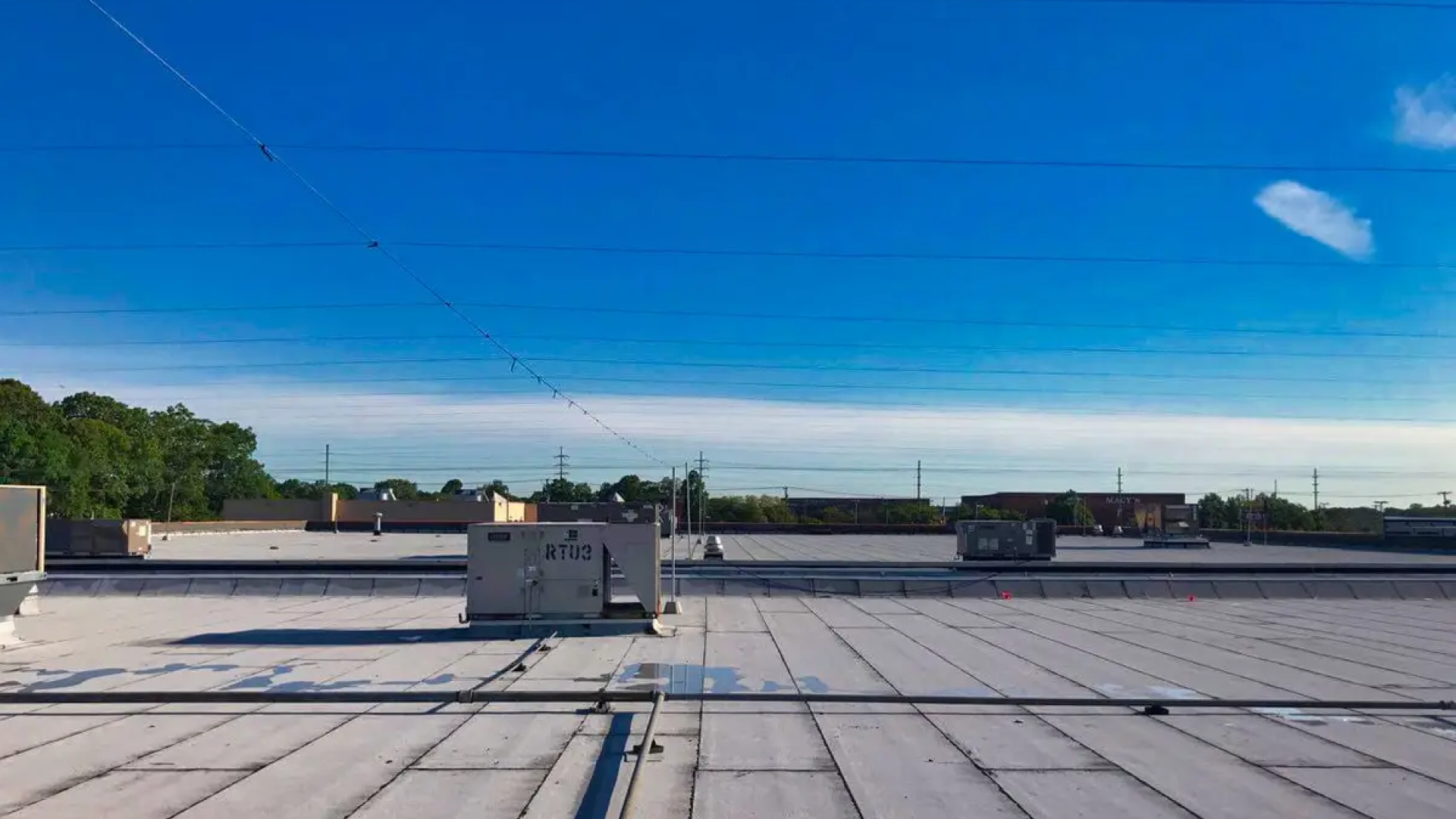
Seagulls can quickly turn a roof, solar array, dock, warehouse, or outdoor dining area into a recurring bird-control problem. Once gulls find a location that provides food, shelter, warmth, or a comfortable place to rest, they may return repeatedly. Nesting and roosting can lead to droppings, noise, debris, blocked drainage, contamination concerns, and damage to building surfaces and equipment.
Professional seagull deterrent systems are designed to make problem areas less attractive or physically inaccessible without harming the birds. Rather than relying on a single scare device, professional bird-control programs typically combine site assessment, exclusion methods, physical barriers, habitat considerations, and appropriate deterrent technologies.
The goal is not simply to move gulls from one part of a property to another. A properly designed system addresses the specific locations and behaviors responsible for the problem while allowing the property to remain functional.
Understanding how these systems work can help property owners choose a more appropriate approach for persistent seagull nesting and roosting problems. Learn more about effective methods in our complete guide to seagull control.
What Is a Professional Seagull Deterrent System?
A professional seagull deterrent system is a customized combination of bird-control methods designed to discourage gulls from landing, resting, nesting, or repeatedly returning to a specific property.
The right system depends on the property, bird behavior, access points, structural features, and severity of the problem. A rooftop with nesting gulls requires a different strategy from a marina, solar installation, warehouse, or outdoor restaurant.
Professional bird control may involve methods such as:
Bird exclusion barriers
Bird netting
Bird spikes or perch deterrents where appropriate
Tensioned wire systems
Physical barriers around vulnerable areas
Visual or other deterrent devices
Modifications to nesting and roosting locations
Site-specific combinations of multiple deterrent methods
The objective is to make targeted areas unsuitable for nesting or roosting while avoiding unnecessary harm to wildlife.
Why Professional Systems Are Different From Basic Bird Scare Devices
A common misconception is that putting an owl decoy, reflective object, or noise-producing device on a roof will permanently solve a seagull problem.
Gulls can become accustomed to repeated stimuli, especially when the property continues to provide a comfortable nesting or roosting location. A professional approach looks at why birds are using the site and determines which combination of deterrents and exclusion measures is appropriate.
That distinction matters because effective bird control is usually a property-specific process rather than a single-product purchase.
How Do Professional Seagull Deterrent Systems Prevent Nesting and Roosting?
Professional systems prevent nesting and roosting primarily by changing the physical conditions that make a location attractive or accessible to gulls.
Instead of depending entirely on frightening birds away, exclusion systems can prevent access to specific areas. Perch deterrents can make selected surfaces difficult to land on, while netting or barriers can block entry into protected spaces.
A typical professional process involves several stages.
1. The Property Is Assessed
The first step is understanding where and why gulls are using the property.
A professional site assessment may examine:
Current nesting locations
Frequent landing and roosting areas
Roof edges and elevated surfaces
HVAC equipment
Solar panels
Drainage areas
Docks, piers, and marina structures
Food or waste sources
Gaps and sheltered spaces
Existing bird-control products
Areas showing droppings, feathers, nesting material, or other signs of activity
This information helps identify the highest-priority areas instead of treating the entire property unnecessarily.
2. Nesting and Roosting Hotspots Are Identified
Not every part of a building presents the same risk.
Gulls may prefer elevated, open, protected, or relatively undisturbed locations. Flat commercial roofs, rooftop equipment areas, ledges, solar panel installations, docks, and other structures can provide attractive places for resting or nesting.
Identifying these hotspots allows the deterrent plan to focus on the locations where birds are actually active.
3. Access Is Restricted Where Appropriate
Exclusion is one of the most important principles of professional bird control.
If gulls cannot physically reach a protected area, they have fewer opportunities to establish a nest or repeatedly use that location for roosting.
Depending on the structure, exclusion may include netting, barriers, wire systems, or other professionally installed products designed for the specific area.
4. Landing and Perching Areas Are Modified
Some areas cannot be completely enclosed. In these situations, specialized perch deterrents can make targeted surfaces less suitable for landing.
The objective is to discourage birds from using specific surfaces rather than creating unnecessary obstacles across the entire property.
5. The System Is Designed Around the Property
A commercial warehouse, residential roof, solar array, and marina all have different structural and operational requirements.
A customized design considers factors such as:
Building layout
Roof construction
Equipment placement
Access requirements
Bird activity
Maintenance needs
Weather exposure
Safety considerations
Areas that must remain accessible to workers or customers
This is why professional seagull control generally starts with an assessment rather than a one-size-fits-all product.
Why Do Seagulls Return to the Same Property?
Seagulls may repeatedly return because a property provides conditions they find useful.
A location may offer:
A safe elevated resting area
Protection from predators
Shelter from weather
Convenient access to food
Suitable nesting surfaces
Warm surfaces or equipment
Proximity to water
Relatively low disturbance
Once birds establish a pattern of using a location, simply removing visible droppings may not address the underlying issue.
Nesting and Roosting Are Different Behaviors
Nesting and roosting are related but distinct.
Roosting refers to birds resting or gathering in an area, often repeatedly. A roosting site may accumulate significant droppings and debris even when no nest is present.
Nesting involves establishing a location for breeding and raising young. Nesting can create additional concerns because active nests may require careful handling and appropriate wildlife considerations.
Understanding which behavior is occurring helps determine the right control strategy.
What Types of Properties Can Benefit From Seagull Deterrents?
Seagull problems are not limited to large commercial buildings. Different property types can experience different forms of bird activity.
Commercial Rooftops
Flat roofs and rooftop equipment can provide convenient areas for gulls to land or nest.
Droppings around HVAC units, vents, drainage points, and walkways can create maintenance concerns. Physical exclusion and perch deterrents can be used to protect selected areas.
Solar Panel Installations
Solar arrays can create sheltered spaces that attract birds in some environments.
Bird activity around panels may result in droppings, nesting material, and debris accumulation. A professionally planned system can target vulnerable areas while considering access for solar maintenance.
Warehouses and Industrial Facilities
Large commercial and industrial properties may contain multiple elevated surfaces and sheltered locations.
Loading areas, roof structures, equipment, and waste-management areas can all contribute to bird activity. A property-wide assessment can help identify the locations that need attention first.
Docks, Piers, and Marinas
Waterfront properties can face persistent gull activity because of their proximity to natural food and resting areas.
Deterrent systems for docks, piers, and marina structures must account for water exposure, pedestrian traffic, boats, equipment, and maintenance access.
Restaurants and Outdoor Dining Areas
Outdoor dining spaces can attract birds when food is easily accessible.
Keeping food and waste properly managed is an important part of reducing attraction. Physical deterrents can then address specific surfaces where gulls repeatedly land or gather.
How Do Seagull Deterrent Systems Protect Buildings and Equipment?
Bird control is not only about reducing visual nuisance. Persistent gull activity can create maintenance problems for buildings and outdoor equipment.
Droppings can accumulate on:
Roof surfaces
Walkways
HVAC equipment
Solar panels
Vehicles
Outdoor furniture
Docks
Railings
Building facades
Nesting material can also accumulate around equipment and drainage areas.
A professional deterrent system helps reduce bird access to vulnerable locations, which can lower the frequency of recurring cleanup and maintenance associated with bird activity.
Protecting Solar Panels
Solar panels require unobstructed exposure to sunlight to operate as intended.
Bird droppings and nesting debris can accumulate around solar installations and may create additional cleaning and maintenance requirements. Deterrent systems can be designed around vulnerable portions of an array without interfering unnecessarily with service access.
The exact approach depends on the panel configuration and surrounding structure.
Are Professional Seagull Deterrent Systems Humane?
Humane bird control focuses on preventing or discouraging unwanted bird activity without intentionally injuring the birds.
Professional systems generally emphasize exclusion, habitat modification, and controlled deterrence rather than harmful methods.
A humane approach may include:
Preventing access to selected nesting areas
Making specific perching surfaces less attractive
Protecting equipment and structures with physical barriers
Addressing food and waste sources
Using deterrent methods appropriate for the property and bird activity
Wildlife regulations can vary by location, and active nests or protected birds may require special consideration. Property owners should not assume that an active nest can simply be removed without checking applicable requirements.
Do Seagull Scare Devices Work Permanently?
Scare devices can sometimes play a role in a broader bird-control strategy, but they should not automatically be treated as a permanent solution.
Birds can adapt to predictable stimuli. A visual device that never changes may become less effective if birds learn that it poses no actual threat.
That is one reason professional bird-control programs often focus on physical exclusion and site-specific deterrence rather than relying on a single scare tactic.
The most appropriate system depends on the property's conditions, bird behavior, and the areas that need protection.
What Are the Benefits of a Customized Seagull Deterrent Plan?
A customized plan allows the control strategy to match the actual property instead of applying the same product everywhere.
Better Targeting
The system can focus on the areas where gulls are nesting, roosting, or repeatedly landing.
Protection of Vulnerable Areas
Equipment, roof sections, solar arrays, docks, and other sensitive locations can receive targeted protection.
Fewer Unnecessary Installations
A site assessment can help determine where deterrents are actually needed, rather than covering every available surface.
Long-Term Management
Professional bird control is designed around recurring bird behavior and property conditions, making it more suitable for persistent problems than temporary cleanup alone.
Common Mistakes Property Owners Make With Seagull Control
Understanding what often goes wrong can help property owners avoid ineffective approaches.
Relying on One Scare Device: A single visual or sound deterrent may not address the reasons gulls are using the property.
Installing Products Without a Site Assessment: A product that works on one roof may be inappropriate for another. Structural design, bird activity, weather exposure, and access requirements all matter.
Removing Droppings Without Addressing Bird Access: Cleaning can improve appearance, but it does not necessarily prevent birds from returning.
Ignoring Food and Waste Sources: Accessible food can continue attracting gulls even when deterrent products are installed.
Waiting Until Nesting Becomes Severe: Early identification of recurring bird activity can make the problem easier to manage before nesting areas become established.
Best Practices for Preventing Seagull Nesting and Roosting
Property owners can support a professional bird-control strategy by taking several practical steps.
Identify recurring bird activity. Note where gulls land, gather, nest, and leave droppings.
Inspect vulnerable areas regularly. Pay attention to rooftops, equipment, solar arrays, docks, and sheltered spaces.
Manage food and waste. Keep garbage, food waste, and outdoor dining areas properly managed.
Address access points. Look for gaps, sheltered areas, and structures that provide easy bird access.
Use professional deterrents for persistent problems. A customized assessment can identify the most appropriate control methods.
Consider wildlife requirements. Active nests and birds may be subject to applicable wildlife regulations.
Maintain installed systems. Periodic inspection helps ensure barriers and deterrents remain in suitable condition.
How Long Do Professional Seagull Deterrent Systems Last?
The lifespan of a deterrent system depends on the product, installation, property conditions, weather exposure, and maintenance.
A system installed on a highly exposed coastal structure may experience different conditions from one installed on a protected commercial building.
Regular inspection is useful because physical structures can change, equipment can be replaced, and bird behavior can shift over time. If a previously protected area becomes accessible again, additional adjustments may be necessary.
A professional installer can recommend an appropriate maintenance schedule based on the specific installation.
What Should Property Owners Look For in a Seagull Control Professional?
Experience with the property type is useful, particularly when the site has persistent nesting or roosting activity.
Property owners should look for a provider that:
Conducts a site assessment
Explains why gulls are using the property
Recommends methods appropriate for the site
Uses humane bird-control practices
Considers maintenance and access requirements
Understands the difference between nesting and roosting
Provides clear information about the proposed installation
Takes applicable wildlife requirements into account
A good assessment should explain not only what will be installed, but also why the selected approach is appropriate for the property.
A Practical Example: Protecting a Commercial Rooftop
Consider a commercial building where gulls repeatedly gather around rooftop HVAC equipment.
Simply cleaning the droppings may provide short-term improvement, but the birds still have access to the same elevated surfaces. A professional assessment would identify the primary landing, roosting, and nesting locations.
The resulting plan might combine exclusion around selected equipment with perch deterrents on specific surfaces. Waste management and other attraction factors could also be addressed.
The objective is to change the conditions that allow the birds to repeatedly use the roof rather than simply cleaning the same areas over and over.
What Is the Most Effective Approach to Long-Term Seagull Control?
The most effective approach is usually a site-specific combination of prevention, exclusion, and appropriate deterrence.
There is no universal product that is ideal for every building, roof, solar array, marina, or residential property. The right system depends on where gulls are active, why they are using the site, and which areas need protection.
A professional assessment provides the foundation for making those decisions.
For property owners dealing with recurring seagull nesting or roosting, the key question should not simply be, “What can scare the birds away?” A better question is, “What is allowing them to use this location, and how can access be responsibly prevented?”
Conclusion
Professional seagull deterrent systems prevent nesting and roosting by making targeted areas less accessible, less suitable, or less attractive to gulls. Instead of depending on one temporary scare tactic, professional bird control can combine physical exclusion, perch deterrents, site modifications, and appropriate deterrent technologies based on the property's specific conditions.
The process starts with understanding bird behavior and identifying problem areas. From there, a customized system can protect rooftops, solar panels, warehouses, docks, piers, outdoor dining areas, equipment, and other vulnerable spaces.
Humane seagull control is ultimately about prevention. By addressing access, nesting opportunities, roosting surfaces, and attraction factors, property owners can take a more practical approach to recurring bird activity while protecting their buildings and outdoor spaces.
Frequently Asked Questions
What is the most effective way to keep seagulls off commercial roofs?
The most effective approach is usually a customized combination of exclusion and perch deterrents based on where gulls are landing, nesting, and roosting. A professional site assessment helps identify the appropriate methods for the roof and equipment.
How do professional seagull deterrent systems prevent nesting and roosting?
Professional systems prevent nesting and roosting by restricting bird access, modifying suitable landing surfaces, and protecting vulnerable areas. Depending on the property, this can involve netting, barriers, tensioned systems, perch deterrents, or other site-specific methods.
Are seagull deterrent systems safe, humane, and legal in the USA and Canada?
Humane deterrent systems are designed to discourage birds without intentionally injuring them. However, wildlife rules can vary by jurisdiction, and active nests or protected birds may require special handling. Property owners should follow applicable local and federal requirements.
How can seagulls damage commercial roofs, HVAC equipment, and building surfaces?
Persistent bird activity can lead to droppings, nesting debris, feathers, and accumulated waste around roofs and equipment. These materials can increase cleaning and maintenance requirements and may contribute to drainage or equipment-access concerns.
How can property owners protect solar panels from seagull damage and droppings?
A professional bird-control plan can identify areas around solar panels where gulls regularly land, nest, or leave droppings. Appropriate exclusion or deterrent systems can then be designed around the array while maintaining necessary service and maintenance access.
What are the best seagull control solutions for docks, piers, marinas, and boats?
Waterfront properties often require systems designed for open exposure, water conditions, pedestrian traffic, and marine equipment. Depending on the structure, professional solutions may include physical exclusion, perch deterrents, and other customized bird-control measures.
How long do professional seagull deterrent systems typically last?
System lifespan varies based on the product, installation quality, weather exposure, property conditions, and maintenance. Regular inspections can help identify damage, changes in bird activity, or areas where adjustments may be needed.
Can professional seagull control prevent birds from returning to the same property?
Professional deterrents can significantly reduce access to targeted areas, but no responsible bird-control approach should guarantee that birds will never return. Long-term effectiveness depends on the system, site conditions, bird behavior, and continued maintenance.
How much does professional seagull control cost for a commercial or residential property?
Cost depends on factors such as property size, bird activity, access difficulty, equipment, installation requirements, and the type and extent of deterrent system needed. A site assessment provides a more meaningful basis for estimating the work than a standard price.
How does a professional seagull site assessment and customized deterrent plan work?
The assessment identifies nesting, roosting, and landing locations along with food sources, access points, structural features, and vulnerable equipment. The findings are then used to develop a customized combination of deterrent and exclusion methods for the property.