How Do Seagull Deterrent Systems Work on Commercial Buildings?
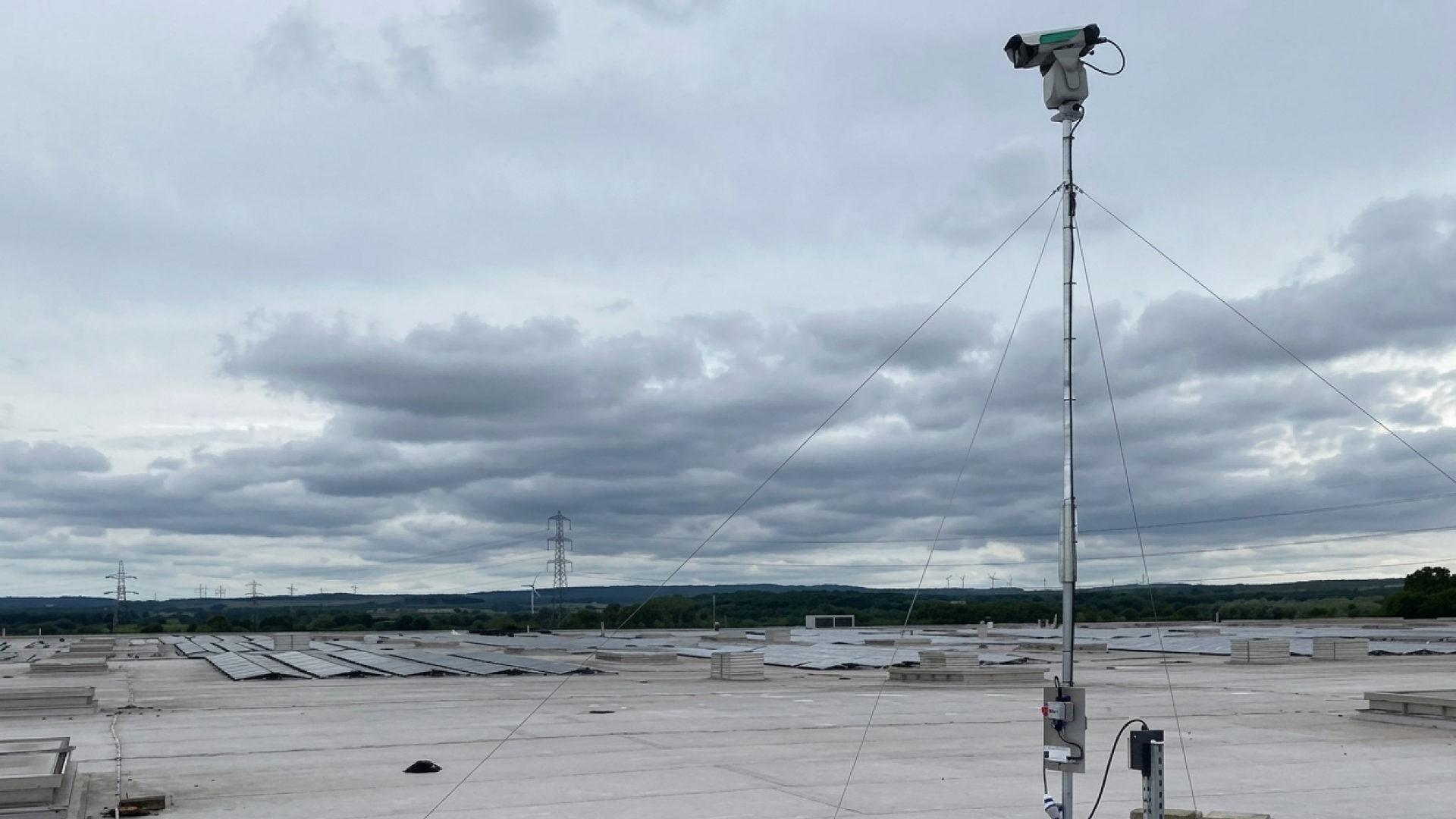
Introduction Seagulls can quickly turn a commercial building into a difficult maintenance problem. Flat roofs, HVAC units, parapets, rooftop equipment, loading areas, and other elevated surfaces can provide attractive places for gulls to rest, roost, nest, and search for food. Once birds establish a regular pattern around a property, simply chasing them away often provides only temporary relief.
Professional seagull deterrent systems take a different approach. Instead of trying to remove birds after they arrive, the goal is to make specific areas less suitable for landing, nesting, or prolonged roosting. The system selected depends on the building, bird behavior, access points, roof design, equipment, and the reason gulls are using the property.
For commercial properties, effective bird control is also about protecting more than the appearance of a building. Accumulated guano can create sanitation concerns, foul outdoor areas, contribute to unpleasant odors, and leave deposits on building surfaces and equipment. Nesting materials can also interfere with roof drains, vents, HVAC equipment, and other components if they accumulate in the wrong locations.
Understanding how commercial seagull deterrent systems work helps property owners make better decisions. A professional approach typically begins with a site assessment, identifies the conditions attracting gulls, selects appropriate deterrents, and positions those deterrents around the areas where birds are causing problems.
What Is a Commercial Seagull Deterrent System?
A commercial seagull deterrent system is a collection of physical, visual, behavioral, or exclusion-based methods designed to discourage gulls from using specific areas of a property.
The objective is not simply to scare birds temporarily. A well-planned system aims to change how gulls interact with the property by making preferred landing, nesting, or roosting locations less attractive or accessible.
Commercial bird control may include methods such as:
Bird exclusion systems
Bird spikes or perch deterrents
Bird wire systems
Specialized netting
Tensioned deterrent systems
Visual deterrents
Other professionally selected bird-control devices
Different methods serve different purposes. A system that works well around a narrow ledge may not be appropriate for a large rooftop with HVAC equipment. Likewise, protecting solar panels requires a different approach from protecting an outdoor dining area.
The most suitable solution depends on the physical property and the behavior of the birds using it.
How Do Seagull Deterrent Systems Work?
Professional seagull control generally works by changing the conditions that make a building attractive to gulls.
A commercial building can offer gulls several things they naturally seek: elevated resting areas, sheltered spaces, nesting locations, access to food sources, and unobstructed views of their surroundings.
A deterrent system addresses one or more of those opportunities.
Step 1: The Property Is Assessed
The process starts with an inspection of the affected property. A professional looks for evidence of where gulls are landing, where they are nesting, which areas contain guano accumulation, and how birds move around the building.
The assessment may also examine:
Roof edges and parapets
HVAC units and mechanical equipment
Rooftop structures
Signs and architectural ledges
Drainage areas
Solar panel arrays
Loading docks
Waste storage areas
Outdoor dining spaces
Nearby food or waste sources
Existing bird-control equipment
This step matters because installing deterrents without understanding bird behavior can leave important areas unprotected.
Step 2: Bird Activity Patterns Are Identified
Gulls may not use every part of a commercial property equally. One section of a roof may be a preferred roosting area, while another may be used primarily for nesting.
Professionals look for patterns rather than treating the entire building as one uniform space.
For example, if birds repeatedly land along a particular parapet before moving toward rooftop equipment, that route can help determine where a deterrent should be positioned.
Step 3: Appropriate Deterrents Are Selected
Once the problem areas are understood, the appropriate control method can be selected.
A physical exclusion system may be useful where birds repeatedly access a specific space. A perch deterrent may be appropriate for narrow ledges. Wire-based systems can discourage birds from landing across certain open areas without creating a solid visual barrier.
The goal is to match the system to the building rather than simply installing the same product everywhere.
Step 4: The System Is Installed Strategically
Placement is critical.
A deterrent that is installed incorrectly may leave gaps that gulls can exploit. Poor placement can also interfere with building maintenance or fail to address the locations birds actually use.
Professional installation considers the geometry of the structure, bird access points, maintenance requirements, and the need to preserve normal building operations.
Step 5: The Property Becomes Less Attractive to Gulls
Once the system is properly installed, birds encounter more obstacles to landing, resting, or nesting in protected areas.
This changes the property's usability from the bird's perspective.
A successful deterrent strategy is not necessarily about creating a dramatic reaction every time a bird approaches. Many physical systems work quietly by preventing birds from comfortably using a particular location in the first place.
Why Commercial Buildings Attract Seagulls
Understanding why gulls choose commercial buildings helps explain why deterrent systems can be necessary.
Elevated Roofs Provide Safe Roosting Areas
Large commercial roofs can resemble natural elevated resting locations. They provide visibility and, depending on the building, may have relatively few obstacles.
HVAC platforms, parapets, signs, and mechanical structures can create additional perching opportunities.
Food Sources Can Encourage Bird Activity
Restaurants, food-processing facilities, waste areas, shopping centers, and other businesses can unintentionally provide access to food.
Open trash containers, discarded food, poorly managed waste, and nearby feeding areas can contribute to bird activity.
A deterrent system addresses access to the building, but property owners should also reduce avoidable food attractants where practical.
Rooftop Equipment Creates Shelter
Commercial roofs often contain HVAC systems, vents, pipes, ducts, and other structures. Some spaces around this equipment can provide shelter or protected nesting locations.
Bird activity around mechanical equipment can become a maintenance concern if nesting materials and guano accumulate.
How Seagull Deterrents Protect Commercial Buildings
The purpose of a professional system extends beyond keeping birds off a roof.
Reducing Nesting and Roosting
Physical deterrents can make targeted areas difficult or uncomfortable for gulls to occupy.
This is particularly useful when birds have established recurring roosting or nesting behavior. Learn more about how these methods function in this guide on how do professional seagull deterrent systems prevent nesting and roosting.
Protecting HVAC and Rooftop Equipment
Commercial HVAC systems and other rooftop equipment can be expensive to maintain. Bird activity around vents, machinery, and service areas can create additional cleaning and maintenance requirements.
Keeping gulls away from sensitive equipment can help reduce exposure to bird-related debris and contamination. For further details, read about how can seagulls damage commercial roofs, hvac equipment, and building surfaces.
Limiting Guano Accumulation
Guano can accumulate on roofs, walls, walkways, vehicles, signs, and outdoor furniture.
A deterrent system does not replace cleaning or sanitation procedures, but preventing birds from repeatedly occupying a location can help reduce future accumulation.
Protecting Customer-Facing Areas
Restaurants, hotels, shopping centers, offices, and other businesses may have outdoor areas where customers expect a clean and comfortable environment.
Birds repeatedly gathering over patios, entrances, walkways, or dining areas can create an unpleasant experience.
A targeted deterrent system can help protect these spaces without relying on constant manual bird removal.
Common Types of Seagull Deterrent Systems
There is no universal bird-control system for every commercial building.
Bird Spikes and Perch Deterrents
Bird spikes are designed to make specific ledges and narrow surfaces unsuitable for comfortable perching.
They can be useful around parapets, signs, beams, and architectural features where birds repeatedly land.
Proper installation is essential because gaps can leave usable landing areas.
Bird Wire Systems
Bird wire uses tensioned lines positioned over areas where birds commonly land.
The system changes the landing surface without necessarily covering the entire area with a solid barrier.
It can be useful on certain rooftops, ledges, and architectural structures when the building configuration allows appropriate installation.
Bird Netting
Netting can physically exclude birds from defined spaces.
This approach can be useful when the objective is to prevent access to a particular enclosed or partially enclosed area rather than simply discourage perching.
The netting must be properly installed and maintained so it remains effective and does not create unintended hazards for wildlife.
Visual and Other Deterrents
Some situations may benefit from visual or other behavioral deterrents.
Their usefulness depends heavily on the property and bird behavior. A method that initially changes bird activity may become less effective if birds become accustomed to it.
For that reason, professional bird control often considers a combination of strategies rather than relying on one device in isolation.
What Makes a Seagull Deterrent System Effective?
The physical product is only one part of the solution.
Correct Placement
A high-quality deterrent installed in the wrong location will not solve the underlying problem.
Professionals need to identify actual bird landing and nesting points before deciding where protection should be installed.
Coverage of Vulnerable Areas
Gaps can become new landing zones.
A system should account for the areas birds are likely to use after their preferred location becomes inaccessible.
Consideration of Bird Behavior
Gulls are adaptable birds. Their behavior can change in response to food availability, nesting conditions, weather, surrounding structures, and human activity.
Effective bird management considers those factors instead of treating the problem as purely architectural.
Long-Term Maintenance
Commercial buildings change over time. HVAC equipment may be replaced, roof structures may be modified, solar equipment may be installed, and landscaping or waste-management practices may change.
A bird-control system should be inspected periodically to make sure it continues to protect the intended areas.
Seagull Control for Different Commercial Properties
Warehouses and Industrial Buildings
Warehouses often have large flat roofs, loading areas, rooftop equipment, and waste-storage locations that can attract bird activity.
Deterrents can be designed around roof edges, structural ledges, vents, and other locations where gulls congregate.
Restaurants and Outdoor Dining Areas
Restaurants may face a combination of bird activity and food-related attraction.
Outdoor seating, patios, awnings, signs, and nearby waste containers can all become part of the problem.
Bird control should be coordinated with practical waste-management and cleaning procedures.
Commercial Rooftops
Large commercial roofs may contain numerous potential roosting and nesting locations.
A professional assessment can distinguish high-activity areas from sections that do not require the same level of protection. Find out more options in this overview on what is the best way to keep seagulls off commercial roofs.
Solar Panel Installations
Solar panels can create sheltered spaces that birds may attempt to use for nesting.
Bird deterrent systems designed for solar installations can help protect the space around and beneath panels while maintaining access for necessary inspection and maintenance. You can review strategies detailed in how to protect solar panels from seagull droppings, nesting and roosting.
Docks, Piers, and Waterfront Properties
Waterfront environments naturally have high bird activity.
Commercial marinas, docks, piers, restaurants, warehouses, and related facilities may require deterrents designed for structures exposed to frequent gull activity. See specific tactics for these locations under what are the best seagull deterrent solutions for docks and piers.
Common Misconceptions About Seagull Control
“A Fake Predator Will Solve the Problem”
Visual deterrents can have a role in certain situations, but birds may adapt to objects that remain unchanged for long periods.
A professional strategy considers whether the deterrent is appropriate for the specific site and bird behavior.
“Cleaning Away Guano Is Enough”
Cleaning removes existing contamination but does not necessarily prevent birds from returning.
If gulls continue to have easy access to the same roosting or nesting locations, the problem can return.
“One Product Works Everywhere”
Commercial buildings vary considerably.
A rooftop, warehouse, restaurant patio, solar array, and marina require different considerations. The building's design and the bird activity should determine the approach.
“Deterrence Means Harming the Birds”
Professional humane bird control is intended to discourage birds from using protected areas rather than injuring them. Property owners should work with qualified professionals who understand applicable wildlife protections and use appropriate methods, as explored in discussions on are seagull deterrent systems safe and humane for wildlife.
How Property Owners Can Improve Long-Term Bird Control
A deterrent system works best as part of a broader property-management strategy.
Property owners can also:
Keep waste containers properly closed where practical.
Address food waste and accessible food sources.
Remove unnecessary nesting materials when legally and safely appropriate.
Inspect roofs and drainage areas for recurring bird activity.
Monitor HVAC and rooftop equipment.
Repair damaged or missing deterrent components.
Schedule professional inspections when bird activity changes.
Coordinate bird control with roof, solar, HVAC, and building maintenance.
These measures address both the physical building and the environmental conditions around it.
What Should You Look for in a Professional Seagull Control Plan?
A good plan should begin with the property rather than a predetermined product.
Ask whether the assessment identifies actual bird activity, nesting areas, access points, and potential attractants. The proposed system should explain what areas will be protected and why those areas were selected.
It is also useful to understand how the system will interact with normal building maintenance. Commercial properties need access to roofs, HVAC equipment, solar panels, drainage systems, and other infrastructure.
The objective is a practical bird-control strategy that fits the building and can be maintained over time.
Conclusion
Commercial seagull deterrent systems work by changing the conditions that allow gulls to comfortably land, roost, or nest on a property. Rather than relying solely on chasing birds away, professional bird control uses carefully selected and strategically installed deterrents to protect specific areas.
The process typically starts with a site assessment, followed by identification of bird activity patterns, selection of appropriate deterrents, professional installation, and ongoing monitoring. Physical systems such as perch deterrents, bird wire, and netting may be used according to the structure and the problem being addressed.
For commercial property owners, the larger goal is protecting roofs, HVAC equipment, solar installations, outdoor areas, and building surfaces while maintaining a humane approach to wildlife management. Explore a broader overview of these measures in this comprehensive piece on seagull control: a complete guide to humane seagull deterrence for commercial and residential properties. The most appropriate system depends on the property, the bird behavior, and the areas requiring protection.
Frequently Asked Questions
What is the most effective way to keep seagulls off commercial roofs?
The appropriate approach depends on the roof design and bird activity. Professional systems may combine perch deterrents, bird wire, exclusion methods, or other devices positioned around established landing and nesting areas.
How do professional seagull deterrent systems prevent nesting and roosting?
They make selected areas difficult or unsuitable for birds to occupy. Physical barriers and perch deterrents can restrict access to preferred locations, while other methods may discourage birds from repeatedly using the same spaces.
Are seagull deterrent systems safe, humane, and legal in the USA and Canada?
Appropriate professional systems are designed to discourage birds without intentionally harming them. Wildlife regulations can vary by location and species, so property owners should use methods that comply with applicable federal, state, provincial, and local requirements.
How can seagulls damage commercial roofs, HVAC equipment, and building surfaces?
Repeated bird activity can lead to guano accumulation, nesting debris, and contamination around roofs and equipment. Birds may also occupy areas around vents, mechanical systems, drains, and other building components where maintenance problems can develop.
How can property owners protect solar panels from seagull damage and droppings?
Professionally designed solar-panel bird control can restrict access to vulnerable spaces around or beneath panels. The system should be installed without interfering with required inspection, cleaning, maintenance, or the operation of the solar installation.
What are the best seagull control solutions for docks, piers, marinas, and boats?
Waterfront properties may require specialized systems suited to exposed structures and frequent bird activity. Options can include physical exclusion, perch deterrents, wire systems, and other methods selected after assessing the structure and bird behavior.
How long do professional seagull deterrent systems typically last?
Service life varies according to the system, materials, installation environment, weather exposure, building conditions, and maintenance. Regular inspections can identify damaged or displaced components before they reduce the system's effectiveness.
Can professional seagull control prevent birds from returning to the same property?
A properly planned system can make protected areas less attractive or accessible, but bird activity can also be influenced by food, nesting conditions, nearby habitat, and changes around the property. Long-term control works best when deterrents and attractant management are considered together.
How much does professional seagull control cost for a commercial or residential property?
Pricing depends on factors such as property size, affected areas, roof configuration, bird activity, access requirements, system type, and installation complexity. A site assessment is generally needed to determine the appropriate scope of work.
How does a professional seagull site assessment and customized deterrent plan work?
The assessment identifies where gulls land, roost, nest, and accumulate guano, along with structural features and potential attractants. The professional then uses those findings to select and position deterrents for the areas requiring protection.